
Web Application
Attendance & Workforce
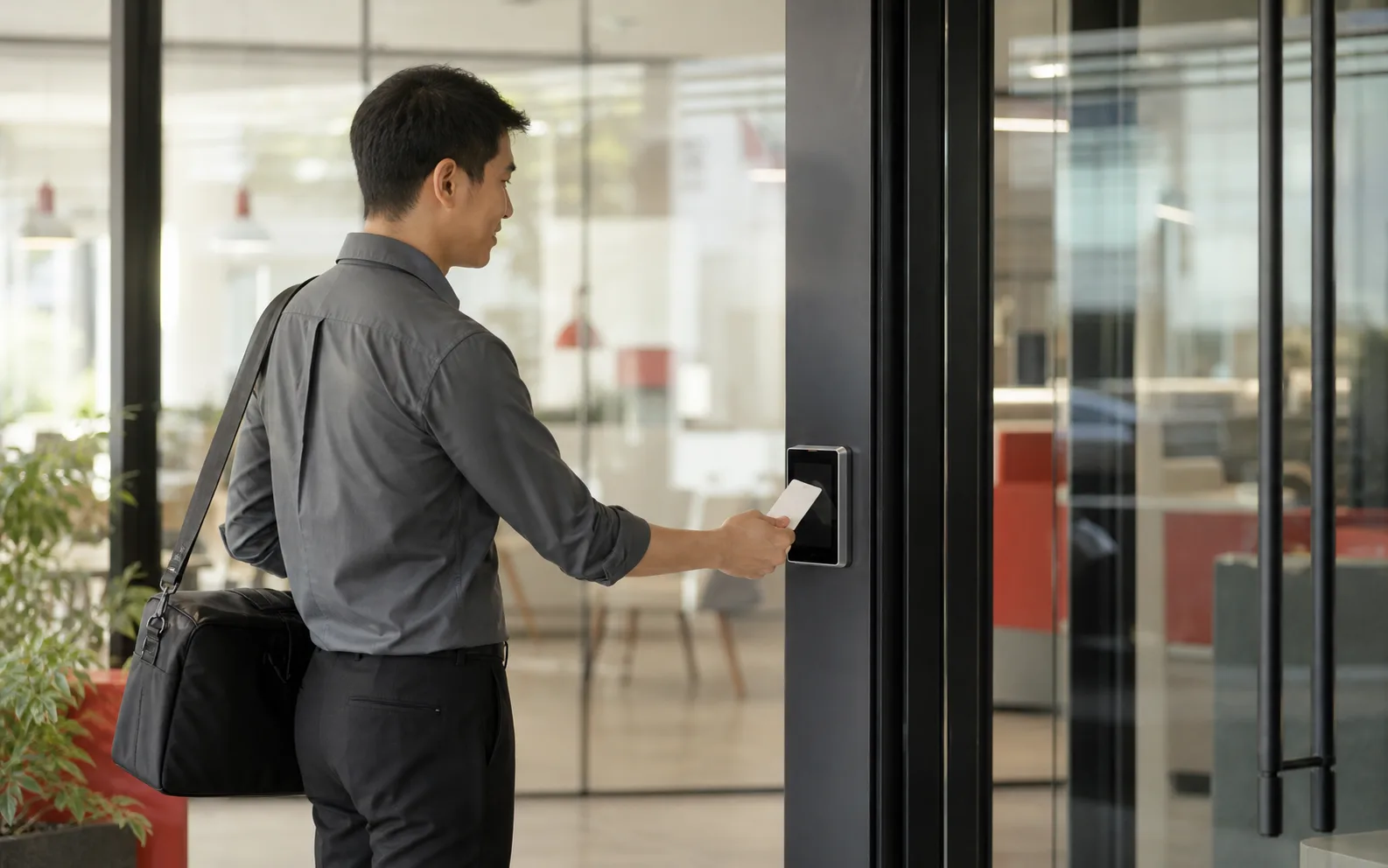
An integrated system concept for attendance devices, mobile attendance, shifts, leave, overtime, approvals, and attendance recaps.
View project detailsWeb Application
A web and mobile platform concept for work orders, technicians, schedules, field documentation, approvals, and SLA monitoring.

Project context
Technician assignments are spread across spreadsheets and messaging tools.
Supervisors find it difficult to track work status and schedule changes.
Photos and field notes are not connected to their work orders.
Technicians need to continue working when connectivity is limited.
Implementation direction
Unify the work-order lifecycle from assignment through verification.
Give technicians, dispatchers, and supervisors shared visibility into field work.
Keep field capture usable under limited connectivity.
Prepare operational data for SLA monitoring and reporting.
Solution concept
The web dashboard consolidates work queues, schedules, assignments, statuses, approvals, and required follow-up.
The mobile app captures asset identity, checklists, notes, and photos offline, then synchronizes when connectivity returns.
Status changes, field evidence, approvals, notifications, and report exports form one work-order history.
Scope of work
Implementation process
Map work-order types, user roles, field conditions, SLAs, and reporting needs.
Design workflows, data architecture, offline synchronization, and interface prototypes.
Prepare cloud environments, security controls, test devices, and the implementation backlog.
Build the web dashboard, mobile app, workflows, synchronization, and required integrations.
Validate limited-connectivity scenarios, access rights, approvals, notifications, and data consistency.
Onboard users, hand over documentation, and establish operational support.
Technology & integrations
Potential impact
These potential impacts are not verified project outcomes.
Assignment, execution, verification, and reporting can follow one workflow.
Supervisors can gain more complete context on status and field documentation.
Technicians can continue capturing work when connectivity is unstable.
Related portfolio
Web Application
An integrated system concept for attendance devices, mobile attendance, shifts, leave, overtime, approvals, and attendance recaps.
View project details
Custom Software Development
A system concept connecting budgets, income, expenses, payables, receivables, approvals, documents, and financial reporting.
View project detailsStart with your needs
Tell us about your process, challenges, and operational needs. The Intertekno team will help shape an appropriate solution.